



- 06:31:00
- 0 Comments
In the good part of the internet - the part concerned with social justice, the environment and human and animal rights - a move against fast fashion has been gaining traction.
*yaaay*
Modern lifestyle gurus are creating amazingly relate-able video-graphics, sharing an environmentally conscious message whilst escaping the 'unwashed hippy' vibe that has previously surrounded environmental campaigns. This video by One Million Women has been viewed over 400,000 times!
Bangin'.
Textile waste is a massive problem, and raising awareness that such a problem actually exists is super great.
Lobbying has positively affected the industry, with high street brands aiming to be more transparent about their manufacturing process. H&M continue to run successful 'Conscious Collections', working with sustainable fabrics and innovative recycled materials.
But really, sustainable fashion is an industry pacifier. A buzz word, used to keep sales high in a world where the concerned-generation flaunt their humanity, by way of woke hashtags.
In terms of fabric production, there is little evidence that one fabric is definitively better for the environment than another. Whilst synthetic fabrics, like polyester and nylon use more electricity than cotton, linen and hemp, natural fabrics use much more water in their production. According to the WWF, to produce the cotton needed for a single T-shirt and a pair of jeans, roughly 20,000 litres of water are needed!
Organic cotton brands like People Tree are making a direct impact on the lives of cotton farmers in developing nations, by combating worker's exposure to polluting pesticides. However they are failing to address the irony that some of the worlds' major cotton producing countries are also facing the world's most major water shortages.
In short: sustainable fashion is a myth.
If we want to reduce the environmental impact of our wardrobes, (the fashion industry being the "second most polluting industry after oil", by the way), we have to steer clear of the whole concept of 'fast fashion'.
Buy less, use things for longer, and re-use more.
Accepting the industry assurance that purchasing a dress to wear or one night out is totes legit' as long as it's sustainable is insulting to the intelligence of consumers, and damaging to our planet.
*yaaay*
Modern lifestyle gurus are creating amazingly relate-able video-graphics, sharing an environmentally conscious message whilst escaping the 'unwashed hippy' vibe that has previously surrounded environmental campaigns. This video by One Million Women has been viewed over 400,000 times!
Bangin'.
Textile waste is a massive problem, and raising awareness that such a problem actually exists is super great.
Lobbying has positively affected the industry, with high street brands aiming to be more transparent about their manufacturing process. H&M continue to run successful 'Conscious Collections', working with sustainable fabrics and innovative recycled materials.
But really, sustainable fashion is an industry pacifier. A buzz word, used to keep sales high in a world where the concerned-generation flaunt their humanity, by way of woke hashtags.
 |
| An H&M dress made from recycled plastic |
In terms of fabric production, there is little evidence that one fabric is definitively better for the environment than another. Whilst synthetic fabrics, like polyester and nylon use more electricity than cotton, linen and hemp, natural fabrics use much more water in their production. According to the WWF, to produce the cotton needed for a single T-shirt and a pair of jeans, roughly 20,000 litres of water are needed!
Organic cotton brands like People Tree are making a direct impact on the lives of cotton farmers in developing nations, by combating worker's exposure to polluting pesticides. However they are failing to address the irony that some of the worlds' major cotton producing countries are also facing the world's most major water shortages.
 |
| Yup PeopleTree, and so does every water shortage... |
In short: sustainable fashion is a myth.
If we want to reduce the environmental impact of our wardrobes, (the fashion industry being the "second most polluting industry after oil", by the way), we have to steer clear of the whole concept of 'fast fashion'.
 |
| Shop here insted? |
Buy less, use things for longer, and re-use more.
Accepting the industry assurance that purchasing a dress to wear or one night out is totes legit' as long as it's sustainable is insulting to the intelligence of consumers, and damaging to our planet.
- 09:58:00
- 0 Comments
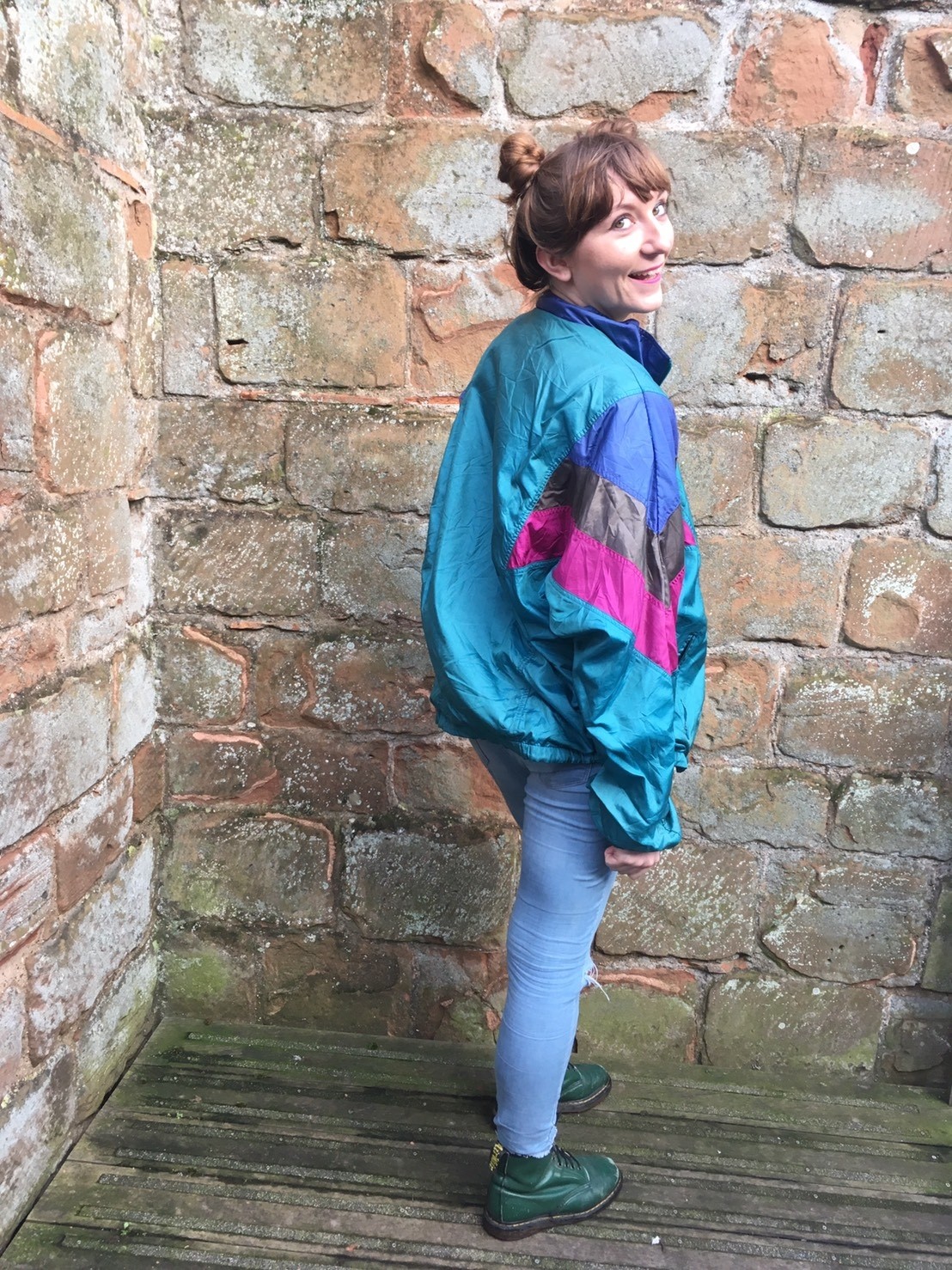
Dressing for the cold is so challenging. Keeping warm, at the same time as standing out from the crowd (for the right reasons) is a daily struggle right now. I forgot how long English winter was, and how everyone reverts to the uninspiring uniform of skinny jeans, a black coat and an oversized scarf. I found some of this-season's ankle-baring jeans in oxfam, super on trend, but it's so cold at the moment, I had to pair them with Doc's for warmth, I literally will not sacrifice snuggly for stylish!! Saying that, the lace front top (originally H&M) was a little cold....

 |
| Sports jacket - Vintage Adidas Lace front Top - Originally H&M Jeans - Originally Primark All found in charity shops Boots - My Mum's old Doc Martens |


Hope you had a great weekend,
Rhio
- 09:18:00
- 0 Comments
Firstly... Happy New Year!!!
I hope you all have an amazing time next year, and get everything you wish for!
明けましておめでとうございます! よいお年を
去年で新しいふく何も買ったなかった!良かった!去年の古着買物する、こと習いました。
2017 is very exciting for me because last year I made my resolution to stop buying new clothes and..... I ACTUALLY DID IT! One whole year of not buying new! I thought it would be SO MUCH harder, but there is so much thrown away and wasted that it's so much easier than I expected to have a fashionable wardrobe without buying new. If you are inspired to cut down your fast fashion wasteage, here are some tips I've learned along the way.
1. Buy when you see it, not when you need it.
見えるの時で買う!
If you are buying clothing second hand, you can't rely on seasonal stock. On the high street, coming up to Christmas, designers anticipate office parties, and fill the shops with sequins. Come the sales, the new season spring jackets and jeans are in. Second hand and Vintage stores put out stock when they have it... and who is going to give away a great pair of shorts in mid-summer?
Saying that, charity shop managers do understand the way seasons and trends move, and often hold back stock until the appropriate season, but with only one off items, sparkly dresses at Christmas time will be out before you need them! I recently picked up a gorgeous crochet maxi-dress, but I wont be able to wear it for a few months...and I can't wait for it's first outing. Anticipate what you will need in the future, and buy it when you see it, so come winter you're not out of coats.
2. A little creativity goes a long way.
少しの創造性がいい。
Not everything second hand will be perfect, but it might be nearly there. Old jeans make great hotpants, bigger sizes can be altered to suit your shape, patches, sashes, tie dye, all of these things really update somones trash, to turn it into sartorial treasure.
3. No one needs to buy new jeans. Ever.
新しいジーンズ、何も買いません。
Denim is a fantastic fabric, it's really hardwearing, and long lasting. Vintage shops are overwhelmed with denim items, and they often do their own alterations in store to match high street trends. This year I've picked up a classic pair of Levi 501's (they looked brand new), a pair of shorts, and a pair of Primark skinny jeans, in a style which they are still selling! Since their conception, jeans havn't really changed so much - they come in skinny fit, straight leg, bootcut and
baggy. You can always find a great pair second hand, for a really great price.

4. T-Shirts and basics are the hardest things to find.
Tシャツはさがしさせる難しいすぎ!
On the other hand, versatile T-shirts are hardly ever donated. You know when you have a T-shirt you love, which goes with everything and is really comfy? When do you get rid of it? When it's bobbly and mis-shapen right?
No one wants to get rid of great basics, and therefore no one sells them second hand. This is another definite moment to buy when you see it!
5. Friends get rid of their clothes A LOT.
友達を古着いっぱいある。
People (me included) actually buy too many clothes. If you let your friends and family know that you are no longer buying new, chances are they will think of you when they're having a wardrobe clearout. An epiphany I had about this was that the clothes people get rid of are not their usual style. A friend was moving back to the UK, and we do not dress similarly at all. However, rooting through her 'can't fit in my luggage' pile, I found loads of items I loved - so if you don't have similar taste, maybe its more likely that you will love their cast offs.
6. Fashion moves so fast that you can always find something Vintage but On Trend.
いつも可愛い古着もの買うできます。
This is totally paradoxical, but when you think about it, there is so much pressure from the fashion market, that trends, especially high street trends, repeat quicker than they can die. Vintage shops are stuffed with 80's ski coats and puffers - great for s/s 2017. Pleated metallic skirts were the hottest summer trend in 2014, by the time they had been bought, worn, donated and rebought, pleated metallics were back with a vengance last summer. Plus, if something suits you, you will always look great, never mind what H&M tells you.
7. I still love fashion - but my inspiration comes from new places.
まっだファッション大好きだけど、雑誌 を読むできなくて店を入てない。
Before I started my resolution, I was addicted to current trends. I would check the new collections as they came out, pinterest board my style icons, make moodboards every season, and scour every single page of Vogue. Now, I am less interested in what's trending, and more inspired to buy things that suit me. My wardrobe has changed a lot, and become more classic, with pops of colour from my favourite vintage pieces. More pared down, I have become a lot more interested in make up, and hair, to complete a look. But obviously, the best accessory is a smile.
8. I still have too many clothes!
まっだふくいっぱいある!
I'm not buying new items, but I am still buying lots of clothes. My wardrobe doesn't really close, and I've taken over my boyfriend's drawers. But it's better than these clothes ending up in landfill... right?
I hope you all have an amazing time next year, and get everything you wish for!
明けましておめでとうございます! よいお年を
去年で新しいふく何も買ったなかった!良かった!去年の古着買物する、こと習いました。
2017 is very exciting for me because last year I made my resolution to stop buying new clothes and..... I ACTUALLY DID IT! One whole year of not buying new! I thought it would be SO MUCH harder, but there is so much thrown away and wasted that it's so much easier than I expected to have a fashionable wardrobe without buying new. If you are inspired to cut down your fast fashion wasteage, here are some tips I've learned along the way.
1. Buy when you see it, not when you need it.
見えるの時で買う!
If you are buying clothing second hand, you can't rely on seasonal stock. On the high street, coming up to Christmas, designers anticipate office parties, and fill the shops with sequins. Come the sales, the new season spring jackets and jeans are in. Second hand and Vintage stores put out stock when they have it... and who is going to give away a great pair of shorts in mid-summer?
Saying that, charity shop managers do understand the way seasons and trends move, and often hold back stock until the appropriate season, but with only one off items, sparkly dresses at Christmas time will be out before you need them! I recently picked up a gorgeous crochet maxi-dress, but I wont be able to wear it for a few months...and I can't wait for it's first outing. Anticipate what you will need in the future, and buy it when you see it, so come winter you're not out of coats.
2. A little creativity goes a long way.
少しの創造性がいい。
Not everything second hand will be perfect, but it might be nearly there. Old jeans make great hotpants, bigger sizes can be altered to suit your shape, patches, sashes, tie dye, all of these things really update somones trash, to turn it into sartorial treasure.
 |
| I added patches to this dress to make it more contemporary, less granny. |
3. No one needs to buy new jeans. Ever.
新しいジーンズ、何も買いません。
Denim is a fantastic fabric, it's really hardwearing, and long lasting. Vintage shops are overwhelmed with denim items, and they often do their own alterations in store to match high street trends. This year I've picked up a classic pair of Levi 501's (they looked brand new), a pair of shorts, and a pair of Primark skinny jeans, in a style which they are still selling! Since their conception, jeans havn't really changed so much - they come in skinny fit, straight leg, bootcut and
baggy. You can always find a great pair second hand, for a really great price.

4. T-Shirts and basics are the hardest things to find.
Tシャツはさがしさせる難しいすぎ!
On the other hand, versatile T-shirts are hardly ever donated. You know when you have a T-shirt you love, which goes with everything and is really comfy? When do you get rid of it? When it's bobbly and mis-shapen right?
No one wants to get rid of great basics, and therefore no one sells them second hand. This is another definite moment to buy when you see it!
 |
| On the beach in 2016, in vintage shorts and cardigan. |
友達を古着いっぱいある。
People (me included) actually buy too many clothes. If you let your friends and family know that you are no longer buying new, chances are they will think of you when they're having a wardrobe clearout. An epiphany I had about this was that the clothes people get rid of are not their usual style. A friend was moving back to the UK, and we do not dress similarly at all. However, rooting through her 'can't fit in my luggage' pile, I found loads of items I loved - so if you don't have similar taste, maybe its more likely that you will love their cast offs.
 |
| A ball dress and shoes I picked up second hand, a couple of months before the party. |
6. Fashion moves so fast that you can always find something Vintage but On Trend.
いつも可愛い古着もの買うできます。
This is totally paradoxical, but when you think about it, there is so much pressure from the fashion market, that trends, especially high street trends, repeat quicker than they can die. Vintage shops are stuffed with 80's ski coats and puffers - great for s/s 2017. Pleated metallic skirts were the hottest summer trend in 2014, by the time they had been bought, worn, donated and rebought, pleated metallics were back with a vengance last summer. Plus, if something suits you, you will always look great, never mind what H&M tells you.
 |
| Vintage Dungarees and upcyled Adidas top |
まっだファッション大好きだけど、雑誌 を読むできなくて店を入てない。
Before I started my resolution, I was addicted to current trends. I would check the new collections as they came out, pinterest board my style icons, make moodboards every season, and scour every single page of Vogue. Now, I am less interested in what's trending, and more inspired to buy things that suit me. My wardrobe has changed a lot, and become more classic, with pops of colour from my favourite vintage pieces. More pared down, I have become a lot more interested in make up, and hair, to complete a look. But obviously, the best accessory is a smile.
8. I still have too many clothes!
まっだふくいっぱいある!
I'm not buying new items, but I am still buying lots of clothes. My wardrobe doesn't really close, and I've taken over my boyfriend's drawers. But it's better than these clothes ending up in landfill... right?
- 04:10:00
- 0 Comments

This Christmans, I've needed to keep the cost down a little bit (moving country is expensive you know!) So I cooked up this really easy Christmas spiced gin! It's really easy,
and the result was delish so I will be experimenting with different
flavours in the future. I decided to make a lot of my gifts this year, but this one was my fave, and as everyone in my family is over 18, it went down really well on Christmas day.

I also made a sugar scrub, which I found the recipie for here. Funnily, I recieved a sugar scrub from my parents, bought from someone who handmakes and sells them. So it was an exchange of scrubs! I hope you all had (or will have) a great Christmas, and if you're stuck for gift ideas, try this really easy Gin!

To make Christmas Spiced Gin you will need:
- 1 litre of Gin
- 6 Apples (Sliced)
- 4 Cinnamon Sticks
- 1 star Anise
- A sprinkle of red peppercorns
- 2 bowls of Sugar (I actually used one bowl, but it was a little sharp... I reccomend adjusting the level of sugar to your taste).
For the decanting:
- 4 or 5 recycled jam jars / bottles
- brown paper labels and masking tape


1. Put all of the flavouring ingredients in a large sealable jar or bowl.

2. Pour the gin over the flavourings and seal the jug.

3. Leave for 3 days or more.
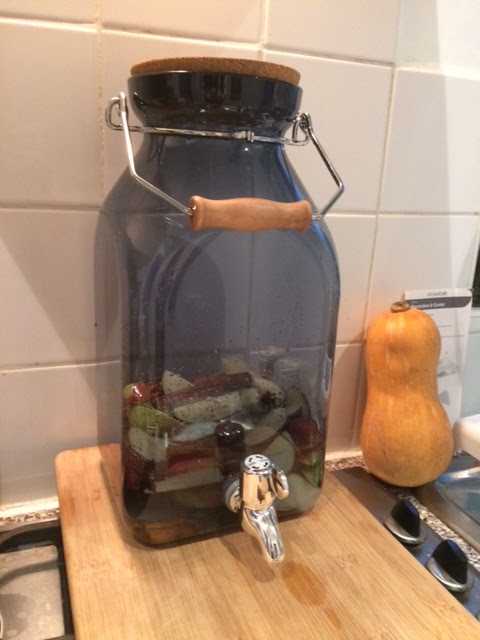
4. When the flavours have infused, decant your gin into your recycled bottles or jars, and decorate with labels, tape, stickers... whatever you want! I completely covered the jars with sticky tape, and I really liked the effect.


 |
| My handmade labels |

This was such an easy recipie, and such an economic gift. I also cant wait to try other flavours for myself later in the year. I hope you all had a great Christmas, and let me know how you get on infusing your own gin.
Rhio
- 02:08:00
- 0 Comments

Hi lovely blog readers.... Sorry for the absence, but I had internet issues moving into a new place (cue future blog posts about our upcycled interior which I am super excited about!) PLUS we lost the camera lead to transfer our pictures, so I have resorted to the iphone, but I digress....
It's December! Merry Christmas!!!
I hate the cold, so my Festive jumper section is very extensive, and ALL thrifted from charity shops over the years.
12月だよー!たくさん クリスマス セーター あります。ぜんぶ 古着ものです。
 |
| The knitwear section of my wardrobe is very dull right now... |
Shall I introduce you?
セーターを紹介はじめます (笑)

The Cute one. 可愛いものです

The one for positioning the poinsettia.

The classy Christmas party one.
上品なクリスマスパーティーのために


Ever got the invite to a Christmas jumper party and not been able to decide what to wear? No? ... Just me???
クリスマスセーターがありますか?冬好きですか?
Enjoy the winter days,
Rhio
リオ
- 12:09:00
- 0 Comments

The Setouchi Triennale is a tri-annual (as the name would suggest) art festival, showcasing site-specific and usually unseen pieces of the private collection of renowned art collector Mr Fukutake, of the Benesse corporation. Mr Futake founded the permanent art museums on Naoshima, Teshima and Inujima islands, but during the Triennale, many more islands in and around the Seto Inland Sea open up their shores for world famous, as well as local artists, to display their works.
The festival is currently ongoing, and I would highly reccomend it, but I will talk more about the works later on.
More importantly... the outfit! As a fashion blogger, the opportunity to wear something a little experimental is not too rare, but an art festival, where you're surrounded by fellow creatives, is the perfect time to pull together prints and textures you wouldn't normally pair.
My first forage into the Setouchi Trienalle was during the Spring session. I went to Shamijima.
I chose this ensemble:


Childrens Explorer hat, Plaid Jacket, Paisley skirt from a twinset. All Vintage.
I got a bit distracted whilst shooting (hehe). I love love LOVE this jacket, which my friend gave to me. I wouldn't usually put it with a print because it's so bold, and I'm still not sure if it works. What do you think? I am also super happy my head is small and that I can buy childrens' hats. I decided for my first day of exploring artworks, I had to wear this tiny explorer hat. Alongside the military buttons of the jacket,I think it resulted in a softened down soldiery look, like if Seargent Troy gave Bathsheba his coat during a long walk accross the heath.....

If you're not interested in the art STOP READING! Because next is my
Shamijima Art Review

It's totally wierd.
I would totally reccomend it.
Shamijima was only showcasing work during the spring session of the triennale, so the cherry blossom was out and beautiful.
 |
| Can you spot the viewing tower? |


My favourite pieces from Shamijima, however, were a series inside the disused school. The populatiion of Shamijima has been steadily decreasing, and there are no longer any children. The artworks inside were designed to involve the residents, and reflect their lives. There was also an amazing pop up cafe, run by some older ladies of Shamijima - they served a set meal, using only local and traditional ingredients. The set was anmochizoni, a miso soup with swee mochi t rice cakes inside, some pickles, and a sweet mikan-orange jelly. It was delicious! Definitely one of the best meals I had in Japan, I can still taste it! But I didn't take any pictures (sorry).
However, I did manage to capture this artwork. Fine Day Road to Kintoki by Hiroyuki Kawai
 |
| Piles of salt in a classroom |


Congratulations if you made it to the end of this post. I might talk about the art in a seperate post next time! Did you like my Shamijima picks? Did you attend the triennale and have some favourites? What would you wear to an art festival? Let me know in the comments! - Rhio
~ このポストーは長い難しいだから日本語すぎに来ましょう!(笑い)~
- 03:01:00
- 0 Comments

